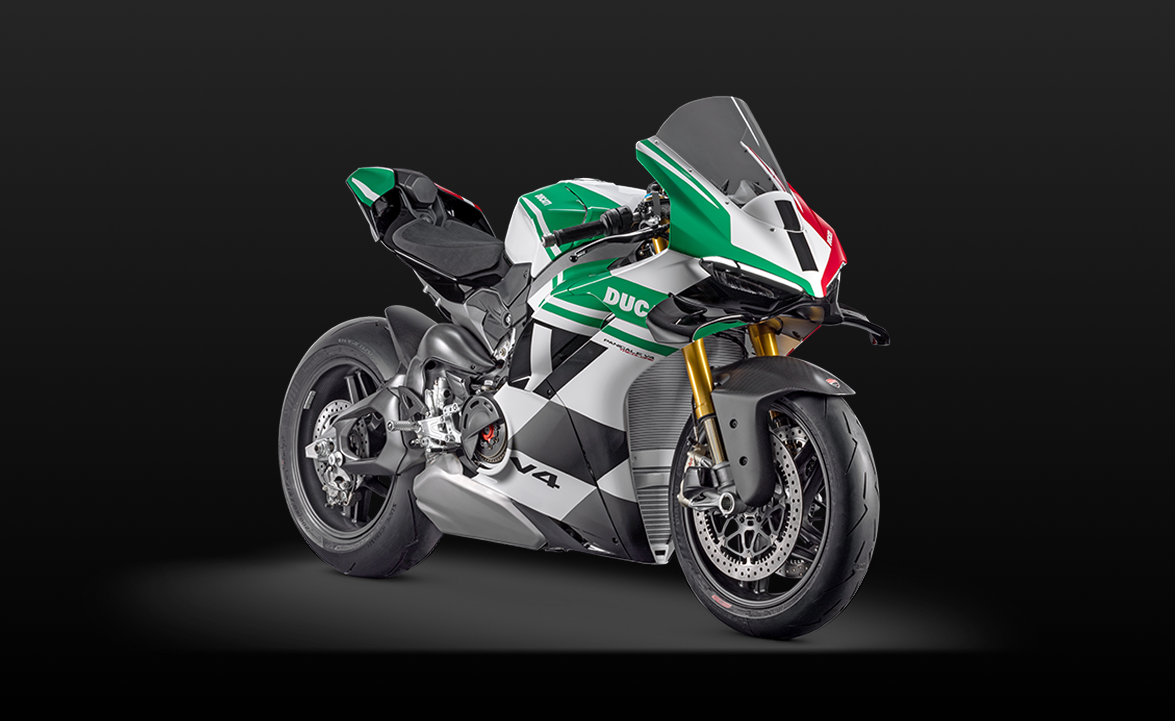
Ducati’s story began far from the world of motorcycles. Founded on July 4, 1926, by brothers Adriano, Bruno, and Marcello Ducati, the company “Società Scientifica Radio Brevetti Ducati” initially produced radio components, capacitors, and vacuum tubes. The business flourished, and by the 1930s, it was a major employer in Bologna, with a modern factory in the Borgo Panigale area—a name that would eventually become synonymous with the brand’s roaring engines.
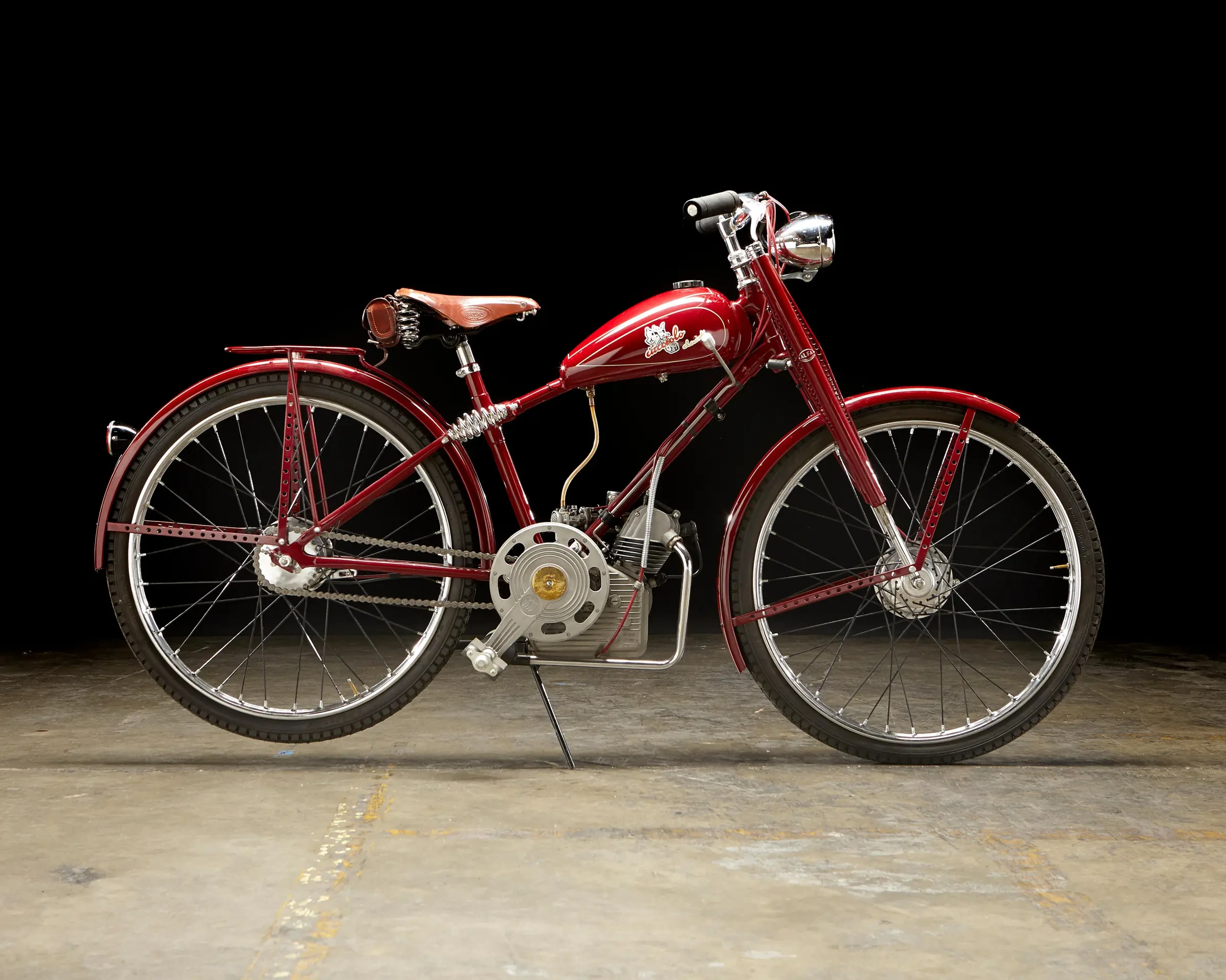
The true turning point came after World War II. With its factory destroyed by Allied bombing, the company pivoted to meet the post-war demand for affordable transportation. Ducati began producing the “Cucciolo” (meaning “puppy”), a tiny 48cc clip-on engine that could be mounted on bicycles. This incredibly successful engine launched the company into the two-wheeled market, and in 1949, they introduced the Ducati 60, their first complete motorcycle.
The modern era of Ducati was forged by the arrival of engineer Fabio Taglioni in 1954. He revolutionized the brand’s design philosophy by developing the L-twin engine and, most famously, the Desmodromic valve system, which uses a cam and follower to both open and close the valves, eliminating the need for traditional valve springs. This technology became a signature of Ducati’s high-performance motorcycles and a key to its dominance in racing.
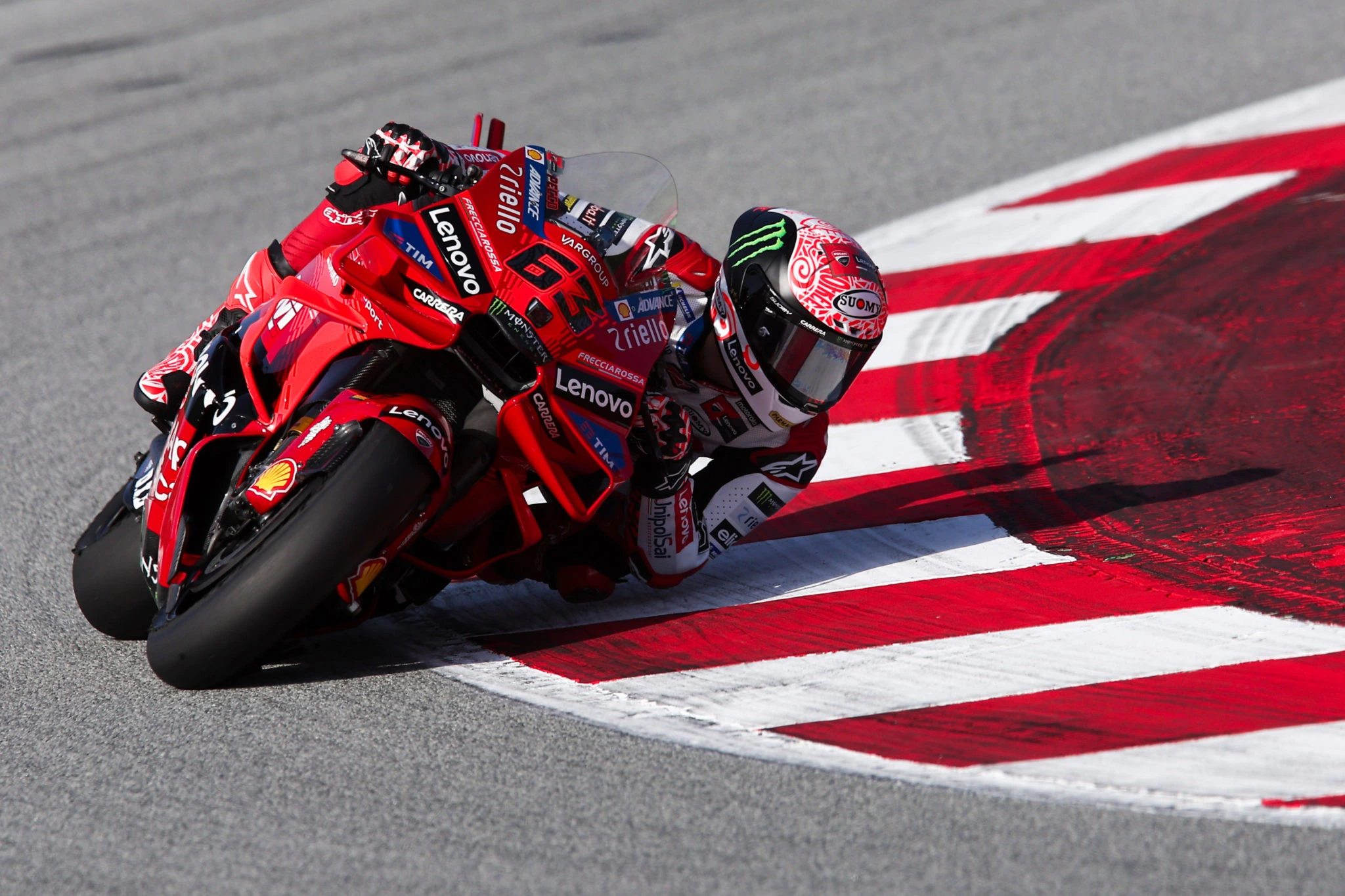
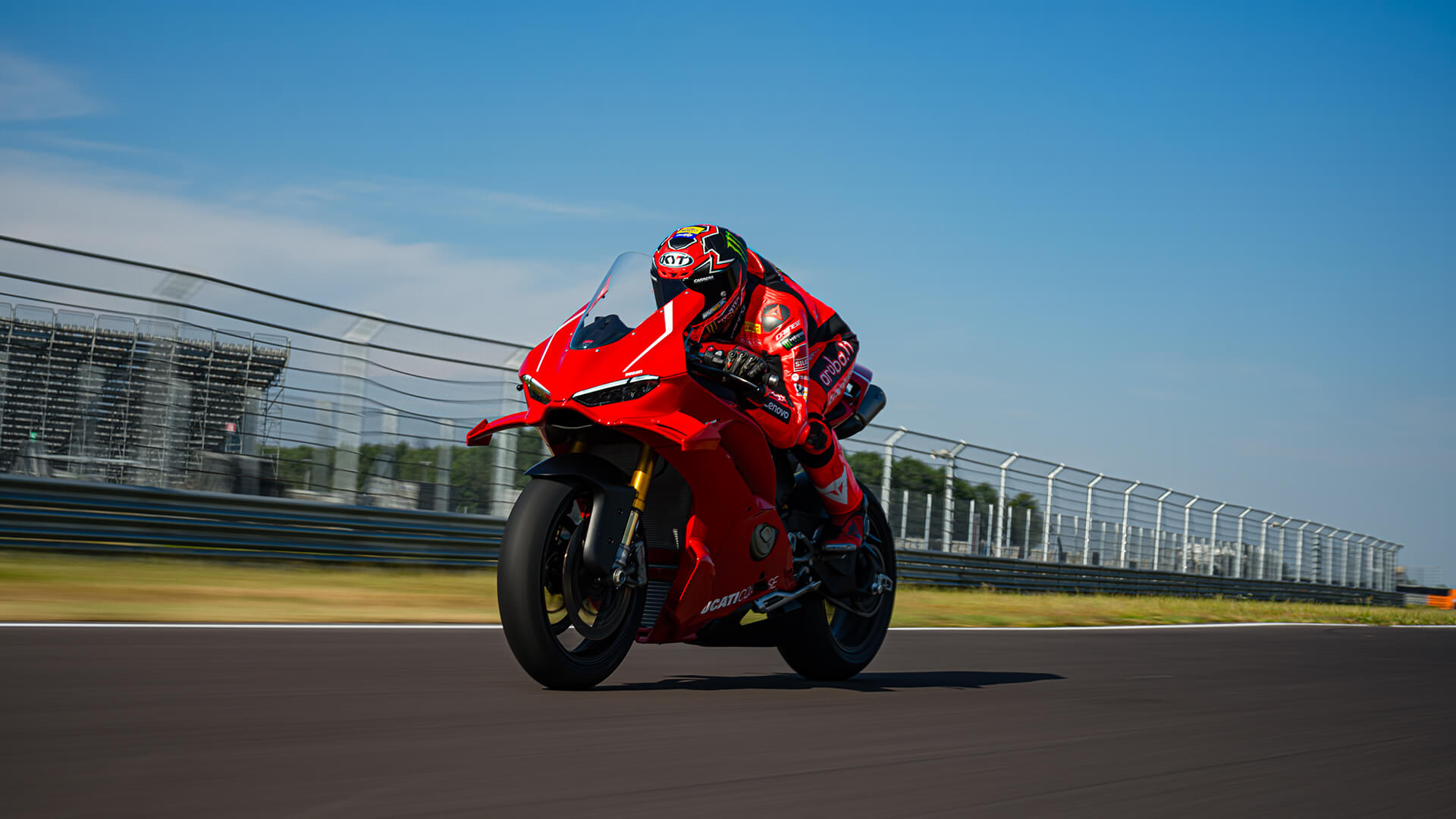
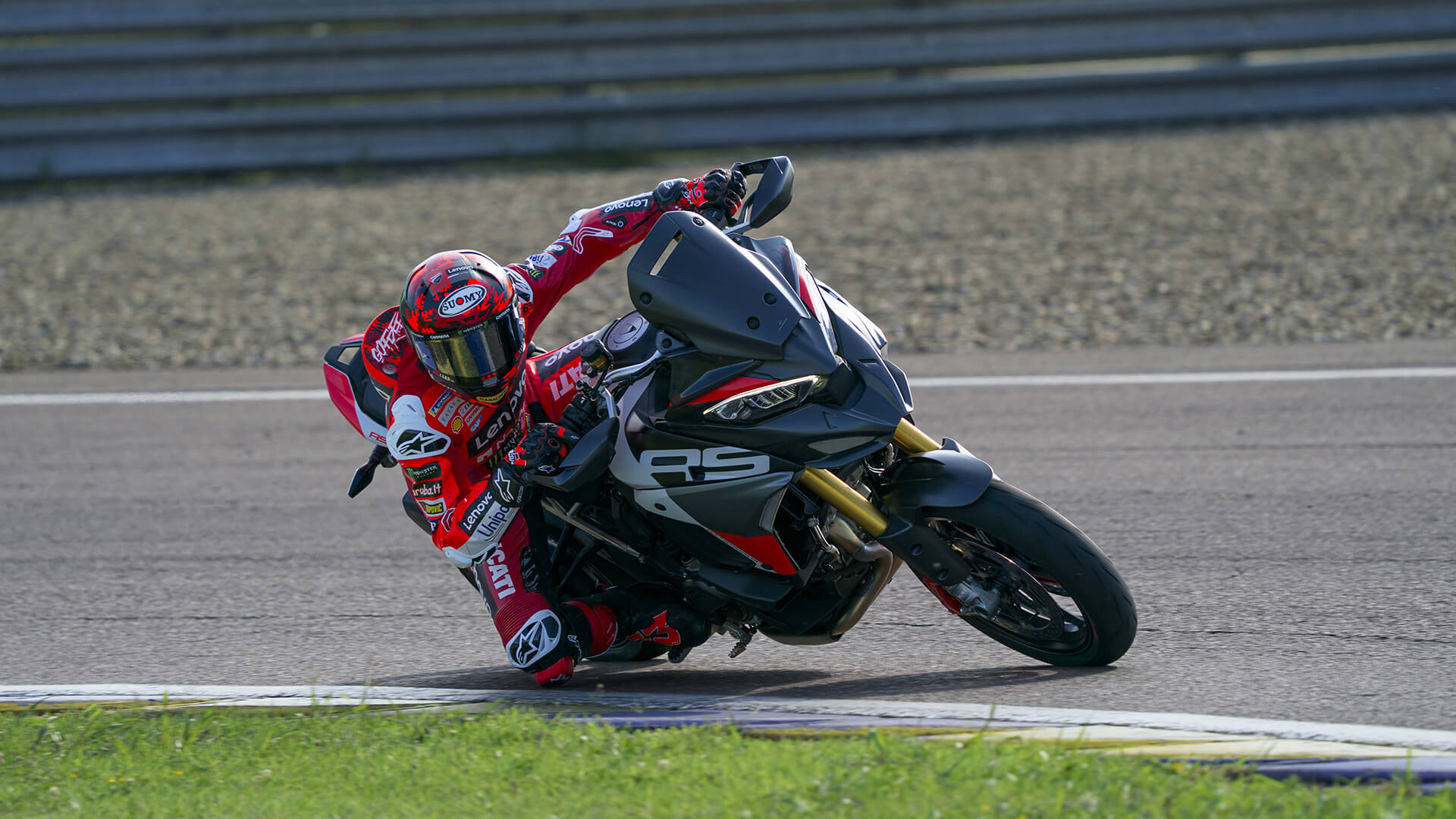
Ducati’s racing heritage is the heart of its identity. From early endurance races to legendary victories at the Isle of Man TT and the Imola 200, the brand built a reputation for speed and engineering prowess. This passion for racing culminated in numerous World Superbike and MotoGP championships, solidifying its place among the world’s elite motorcycle manufacturers. In 2012, Ducati was acquired by the Volkswagen Group through its subsidiary Audi, a move that provided the brand with the resources to continue its legacy of innovation, design excellence, and racing supremacy on a global scale.